Energy Efficient ICF Walls Stop Energy Loss
Stop Energy Loss in Buildings with ICF Walls
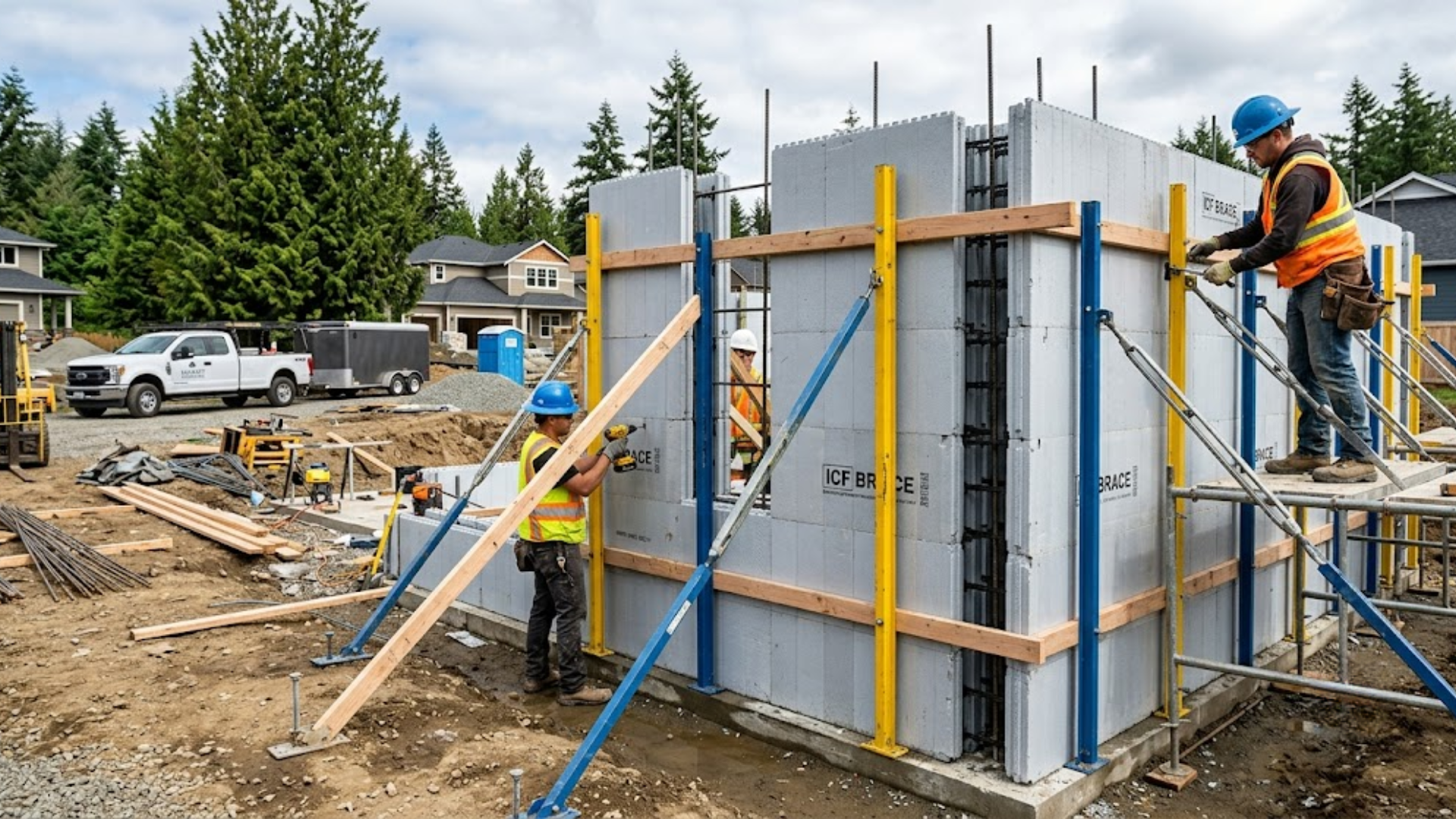
Energy loss is one of the most common reasons buildings cost more to operate than they should. Poor insulation, air leaks, weak wall assemblies, and inconsistent indoor temperatures can all drive up heating and cooling demand.
For homeowners and developers in Everett, WA, this matters. The region sees cool, damp weather for much of the year, which means a building’s walls need to do more than stand upright. They need to help control heat movement, moisture exposure, and long-term performance.
Energy efficient ICF walls offer a practical way to reduce heating loss and improve the building envelope from the start. Instead of relying on a standard framed wall with separate insulation, ICF construction combines concrete strength with continuous insulation in one wall system.
Why Do Standard Walls Lose So Much Energy?
Most energy loss starts with small weaknesses in the building envelope. These weaknesses may not be visible, but they can make a major difference in comfort and utility costs.
Gaps and Thermal Breaks Reduce Performance
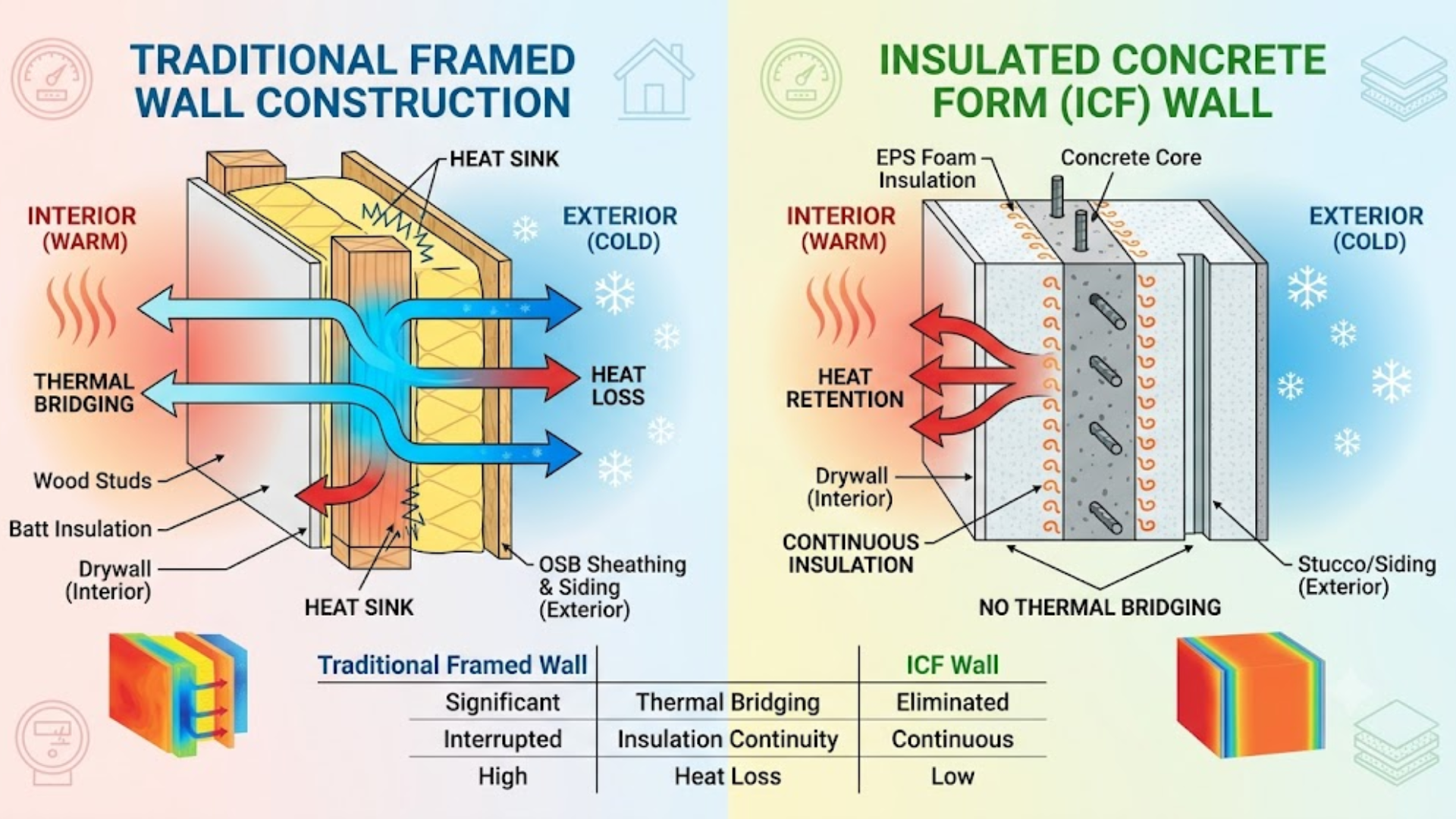
Traditional wall systems often include studs, cavities, joints, and connection points where heat can move through more easily. These areas are called thermal bridges.
Even when insulation is installed correctly, repeated breaks in the wall assembly can reduce overall insulation performance. Heat follows the easiest path, and small gaps can add up across an entire structure.
ICF walls help limit this issue because insulation runs continuously across both sides of the concrete core. For projects that need reliable material access, West Peak ICF offers
insulated concrete form supply for Everett, WA builders and property owners planning stronger wall systems.
Air Movement Can Increase Heating Loss
Heat loss is not only about insulation value. Air leakage also plays a major role.
When outside air enters through cracks, seams, and wall gaps, the heating system has to work harder to keep the space comfortable. That is a common issue in buildings where the wall assembly is not tightly planned or properly sealed.
ICF walls create a tighter wall structure because the forms and concrete core work together to reduce uncontrolled air movement. This helps support consistent indoor temperatures and lower strain on heating systems.
How Do ICF Walls Improve the Building Envelope?
The building envelope includes the parts of a structure that separate indoor space from outdoor conditions. Walls, roofs, windows, doors, and foundations all matter, but walls carry a large share of the work.
Continuous Insulation Helps Control Heat Flow
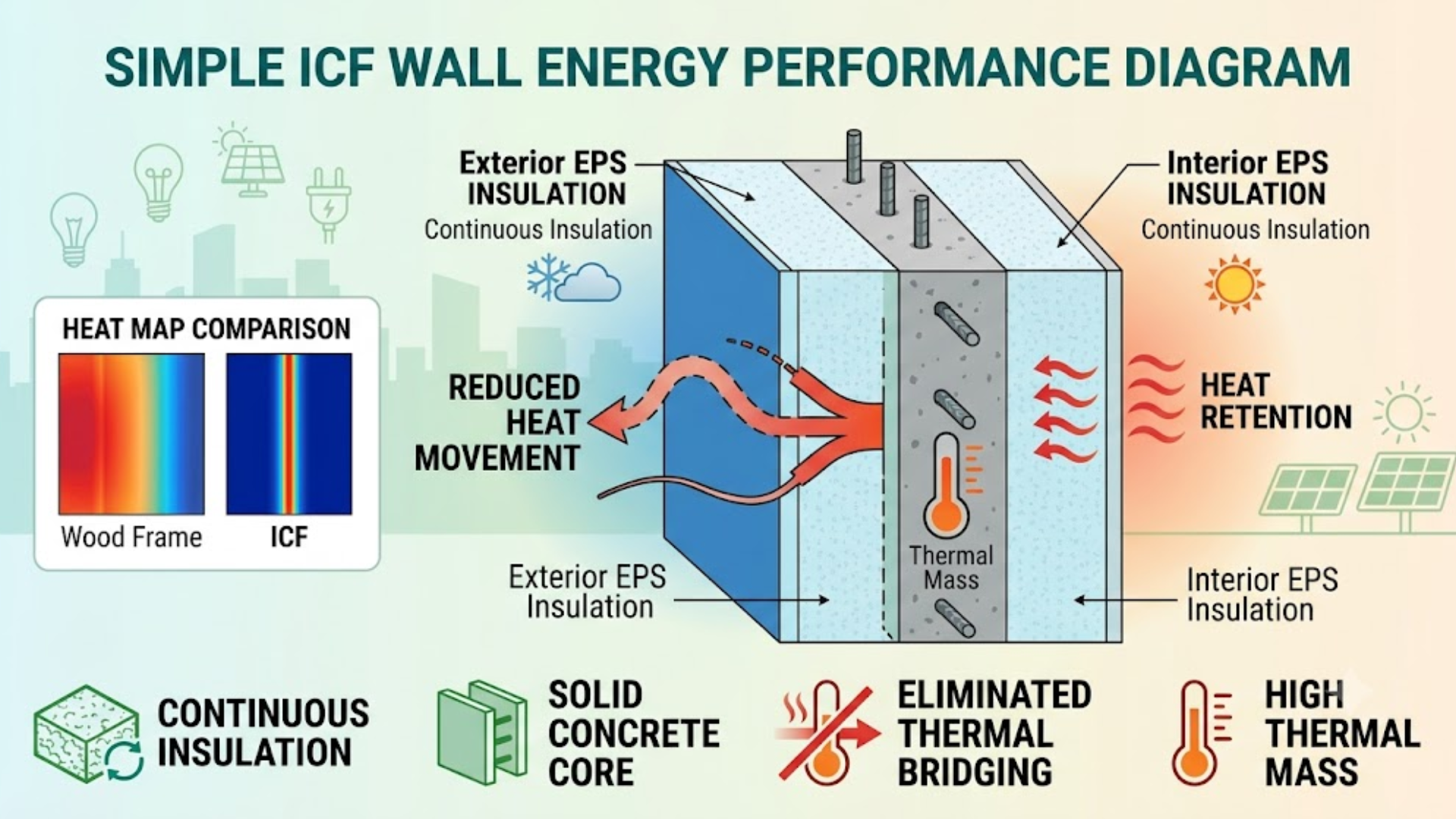
Energy efficient ICF walls are built with foam forms that stay in place after the concrete is poured. These forms provide continuous insulation on both sides of the wall.
This setup helps reduce heat transfer through the wall. It also helps avoid the uneven performance often found in cavity-based insulation systems.
For developers and contractors managing larger orders,
ICF block supply can help keep wall construction moving with the right materials available when needed.
Concrete Adds Thermal Mass
ICF walls do more than insulate. The concrete core adds thermal mass, which helps slow temperature swings.
This means the wall can absorb and release heat more gradually. In practical terms, the building may feel more stable inside because temperature changes are less sudden.
That kind of performance is valuable in Everett, where damp, cool conditions can place steady demand on heating systems. A stronger wall assembly can help reduce that load over time.
What Makes ICF a Strong Choice for Homes and Commercial Buildings?
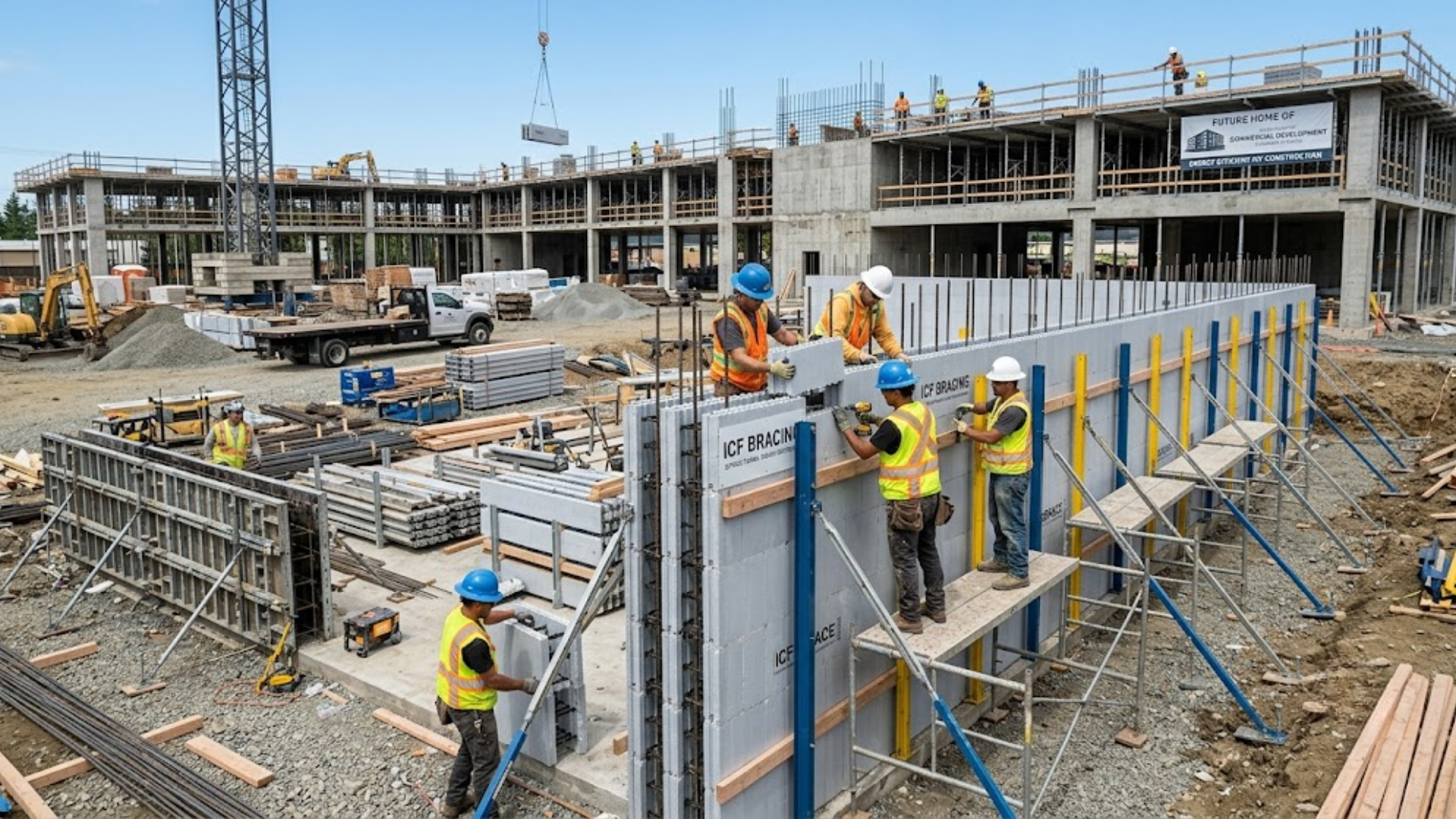
ICF construction can support many types of projects, from custom homes to agricultural and commercial structures. The value comes from combining energy control, durability, and planning flexibility.
Homeowners Get Better Comfort and Lower Energy Waste
For homeowners, comfort is often the first thing noticed. Rooms feel less drafty. Indoor temperatures stay more even. Heating systems may not need to cycle as often.
Energy efficient ICF walls can also support long-term savings by reducing heating loss through the wall assembly. While every project is different, better insulation performance gives the home a stronger starting point.
Developers Get a Durable Wall System
Developers often look beyond comfort. They also need construction solutions that support performance, strength, and long-term value.
ICF walls provide a solid concrete core, continuous insulation, and a durable assembly that works well for many building types. When early design choices affect budget, timeline, and performance,
ICF construction consulting can help teams understand how ICF fits the project.
Agricultural and Commercial Projects Benefit From Efficiency
Energy loss matters in working buildings, too. Agricultural buildings, storage spaces, offices, and commercial structures may all need better temperature control and lower operating waste.
For property owners comparing different project types,
agricultural ICF building solutions in Arlington, WA can be a useful related resource. It shows how ICF planning can support buildings that need both strength and insulation performance.
What Should Be Planned Before Using ICF Walls?
ICF works best when it is planned early. The wall system affects layout, openings, material delivery, trades, and construction sequencing.
Project Layout Should Match the Wall System
Before materials are ordered, the building layout should be reviewed with the ICF system in mind. Window openings, door openings, wall heights, corners, and reinforcement details all affect how the blocks are used.
Good planning can reduce waste and prevent delays. It also helps the construction team understand how the ICF system will be installed before work begins on site.
Delivery Timing Matters
Material availability can affect the schedule. If blocks, bracing, reinforcement, or related materials arrive late, the project can stall.
That is why planning supply and delivery is important. West Peak ICF supports builders and developers with
ICF project planning services that help align materials, timelines, and construction needs.
The Right Support Helps Avoid Costly Mistakes
ICF construction is straightforward when handled correctly, but it still requires attention to detail. Proper stacking, bracing, alignment, reinforcement, and concrete placement all matter.
Mistakes in these areas can affect wall performance and create rework. Working with an experienced ICF supplier and consultant helps reduce that risk from the beginning.
Why Energy Efficient ICF Walls Matter in Everett, WA
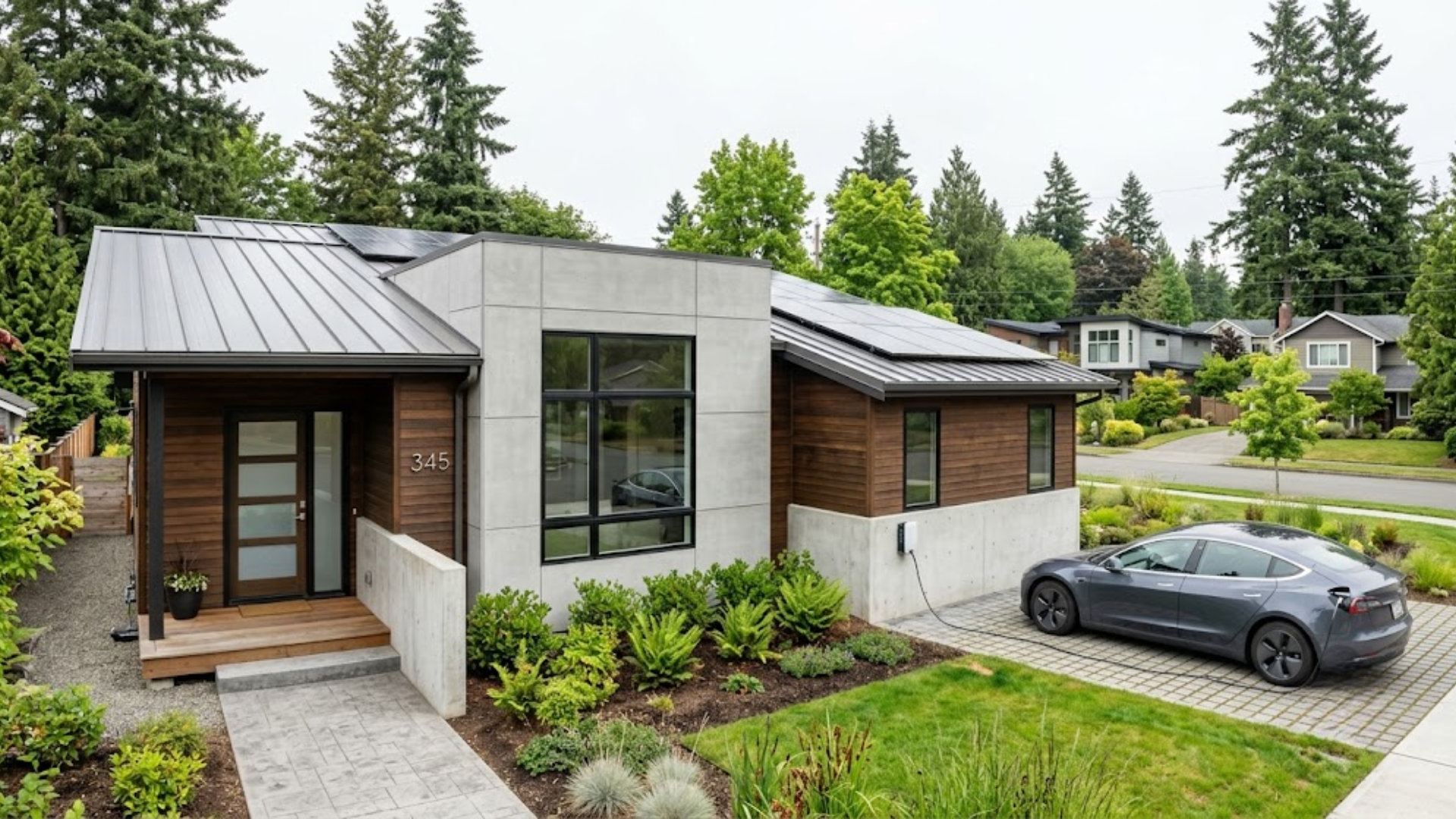
Everett, WA buildings deal with cool temperatures, moisture, and seasonal heating demand. A weak building envelope can lead to drafts, uneven rooms, higher energy use, and more strain on mechanical systems. Energy efficient ICF walls give homeowners and developers in Everett a stronger option by improving insulation performance, reducing heating loss, and creating a more stable wall assembly for long-term use.
Learn More About ICF Supply and Construction Support
West Peak ICF helps homeowners, builders, and developers plan stronger insulated concrete form projects in Everett, WA. To learn more about insulated concrete form supply and construction solutions, call 425-363-1011.
Frequently Asked Questions
Are ICF walls more energy efficient than traditional framed walls?
Yes, ICF walls are often more energy efficient because they provide continuous insulation on both sides of a concrete core. This helps reduce thermal bridging, air movement, and heating loss through the wall assembly.
Do ICF walls help reduce heating costs?
ICF walls can help reduce heating demand by improving insulation performance and limiting air leakage. Actual savings depend on the full building design, windows, roof insulation, HVAC system, and how the structure is used.
Are ICF walls good for homes in Everett, WA?
Yes, ICF walls can be a strong choice for homes in Everett, WA because they help manage cool weather, moisture exposure, and indoor comfort. They are especially useful when energy efficiency and long-term durability are priorities.
Can ICF be used for commercial buildings?
Yes, ICF can be used for many commercial buildings, including offices, storage buildings, agricultural structures, and other project types. It offers strength, insulation performance, and a durable wall system that can support long-term operating efficiency.
What should I know before ordering ICF blocks?
Before ordering ICF blocks, review the building layout, wall heights, openings, delivery schedule, and construction plan. A supplier or consultant can help estimate material needs and reduce the chance of ordering issues or project delays.
Energy loss is easier to prevent during construction than to fix later. For homeowners and developers in Everett, energy efficient ICF walls offer a stronger way to build with better insulation performance, less heating loss, and a tighter building envelope. West Peak ICF can help you learn more about the right ICF supply and construction solution for your next project.